Project Summary
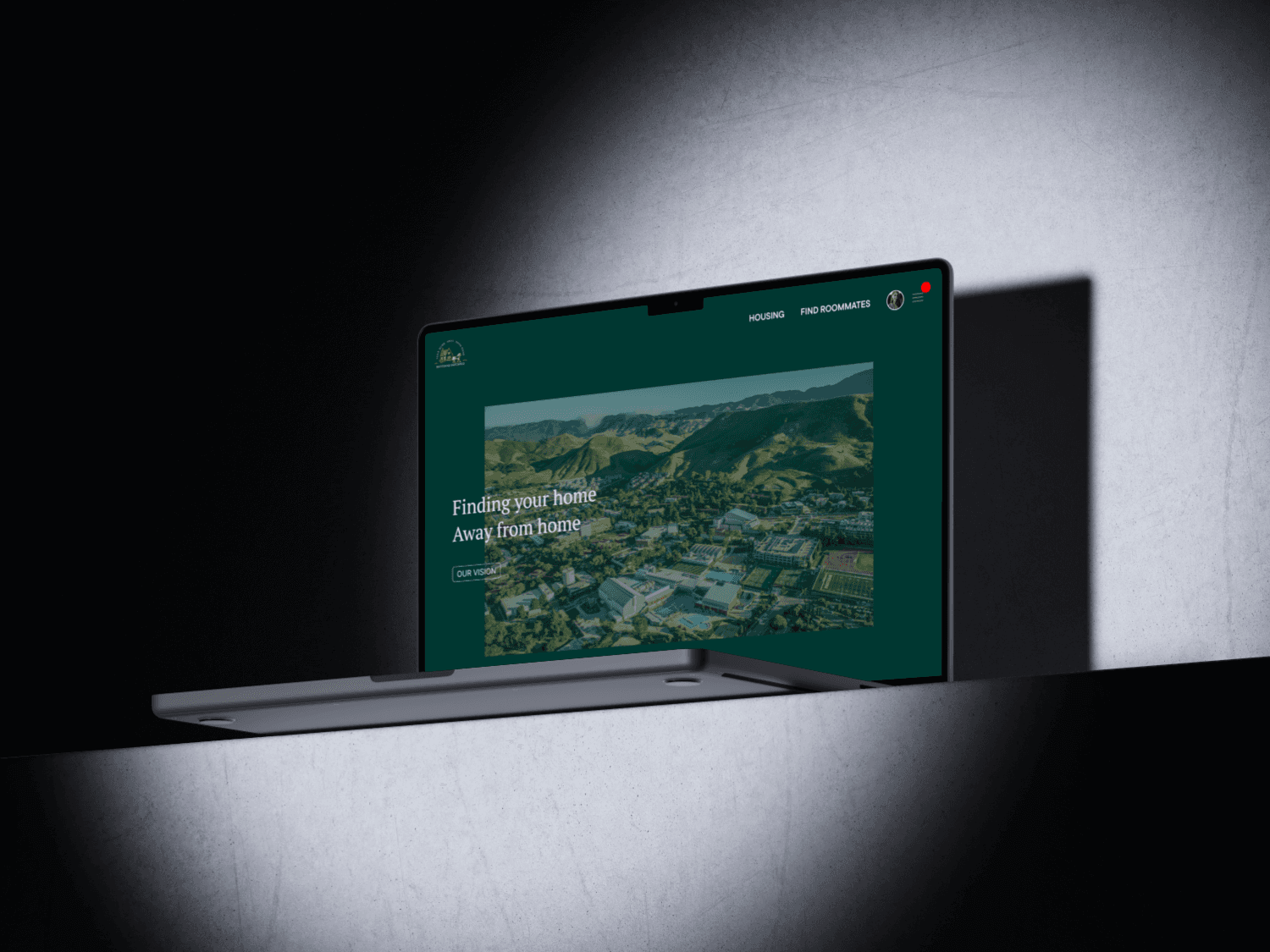
Smart Share Housing Solutions is a nonprofit organization helping low-income residents in San Luis Obispo access housing through their programs HomeShareSLO, ADU SLO, and the Co-Living Collaborative. The organization partnered with our team to redesign their website to build greater trust, improve clarity, and create a more cohesive and accessible user experience.
The redesign is currently ongoing, and we are in the phase of testing our mid-fidelity designs before refining and implementing them into Wix.
The Challenge
Smart Share Housing Solutions’ website felt untrustworthy and difficult to navigate due to overwhelming amounts of information, limited transparency, and an inconsistent visual design. Users struggled to understand the organization’s mission, often misinterpreting it as serving only homeless populations rather than low-income individuals, which created confusion and reduced engagement.
Our users include older adults with varying levels of technical literacy, as well as individuals seeking housing and those looking to support the organization through donations or volunteering. Within an 18-week timeframe, my challenge is to reduce cognitive overload, improve accessibility, and clearly communicate the organization’s mission through my redesign of the About and donation pages, creating a more intuitive, trustworthy, and easy-to-navigate experience.
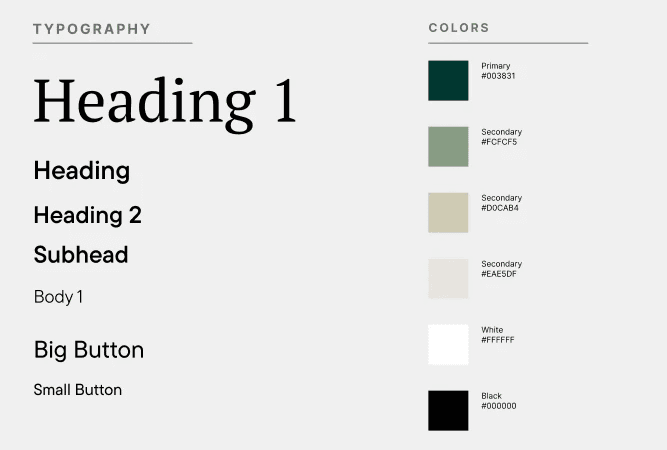
Design System
Mid and High Fidelity Designs
Mid-fidelity designs were iteratively refined based on feedback from the company owners and the professor from Yonsei leading the development side, with a focus on clarity, usability, and workflow. Key features include:
Dedicated Studio Mode workspace: A central area for users to log and organize memories of visited locations.
Posting flow screens: Step-by-step interface for saving locations, adding details, and sharing experiences.
After many meetings with the team of developers and the company owners, I began refining the designs into high-fidelity screens, preparing them for development handoff.